
Adapts to Multiple Logistics Platforms
Solution design covers small, medium and large logistics platforms, with selection based on payload, cargo body, routes, range and operating frequency.
For logistics, mining, campus and other applications, AutoCore integrates compute platforms, sensors, the ADrive stack, drive-by-wire chassis and cloud platforms into deployable systems. Within the operational design domain agreed for each project, customers can select a complete solution or component-level integration.
Integrated hardware-software solutions for production introduction
From last-mile delivery to campus cargo transfer, AutoCore matches drive-by-wire chassis with its autonomous-driving kit based on vehicle size, payload and road conditions. A unified software stack and modular configuration reduce repeated integration work across vehicle models.
Solution design covers small, medium and large logistics platforms, with selection based on payload, cargo body, routes, range and operating frequency.
Perception, localization, planning and control are connected with multi-sensor fusion and drive-by-wire chassis adaptation, coordinating environmental understanding through vehicle execution.
Engineering delivery covers sensor installation and calibration, software versions, vehicle integration, diagnostics and test regression, supporting the progression from prototype validation to productization.
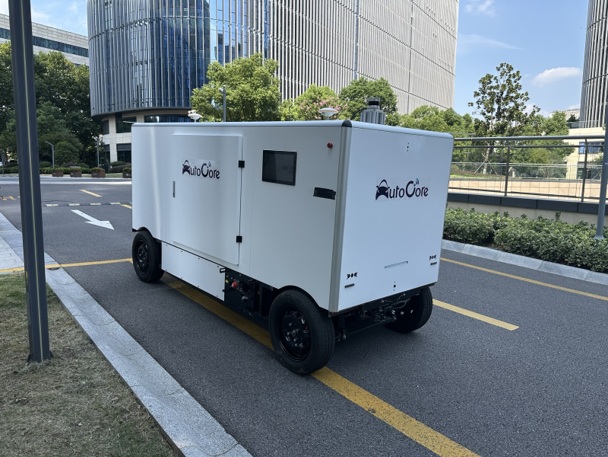
Vehicle configuration and operating scope are confirmed per project. Public-road applications must complete applicable testing and approvals for the target region.
Complete vehicle delivery organized around haulage operations
For heavy-duty mining transport, the autonomous-driving kit, drive-by-wire vehicle, cloud dispatch and on-site engineering support are brought into one project solution. Vehicle capability, system interfaces and acceptance boundaries are defined around loading, hauling, dumping and return operations.
Perception, localization and control are configured around payload, wheelbase, steering and braking characteristics, with testing organized for haul routes and loading areas.
Task dispatch, vehicle status, right-of-way management and remote assistance are integrated into the operating workflow to coordinate exceptions.
Starting with requirements and ODD definition, hardware and chassis integration, the project advances through closed-site validation, trial operation and acceptance to deployment and maintenance.
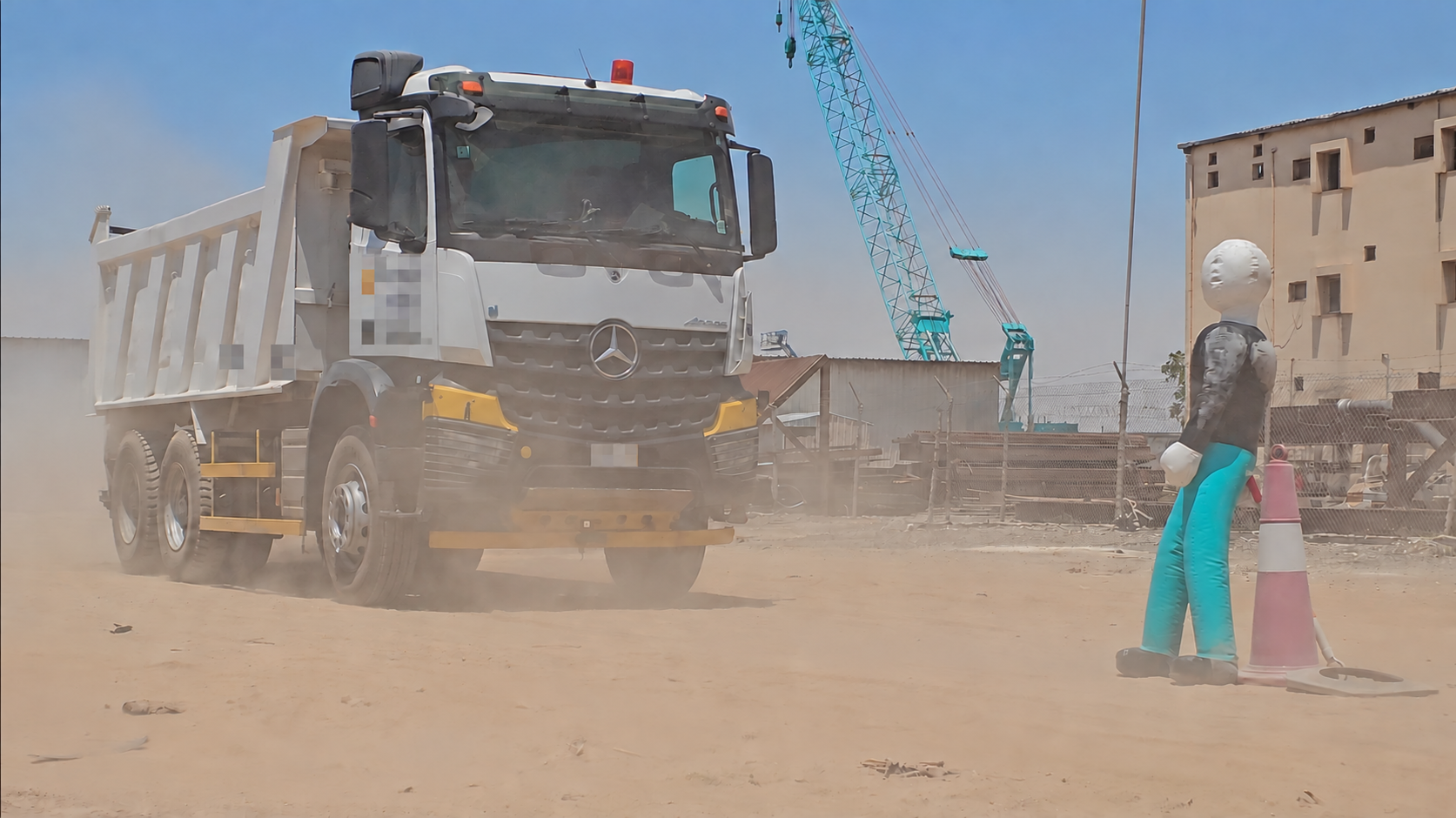
Turn-Key refers to an integrated project delivery within an agreed scope. The specific vehicle models, site conditions, operating responsibilities and acceptance metrics are defined per project.
Turning operating data into continuous product improvement
The cloud-control platform connects vehicle status, work tasks and on-site operations, while the data pipeline links issue discovery, data processing and version validation. The coordinated workflow around fleet operations and software iteration makes field issues traceable, reproducible and testable.
Vehicle monitoring, task dispatch, right-of-way and fleet management provide visibility into vehicle status and task progress; teleoperation or remote assistance can be integrated according to project scope.
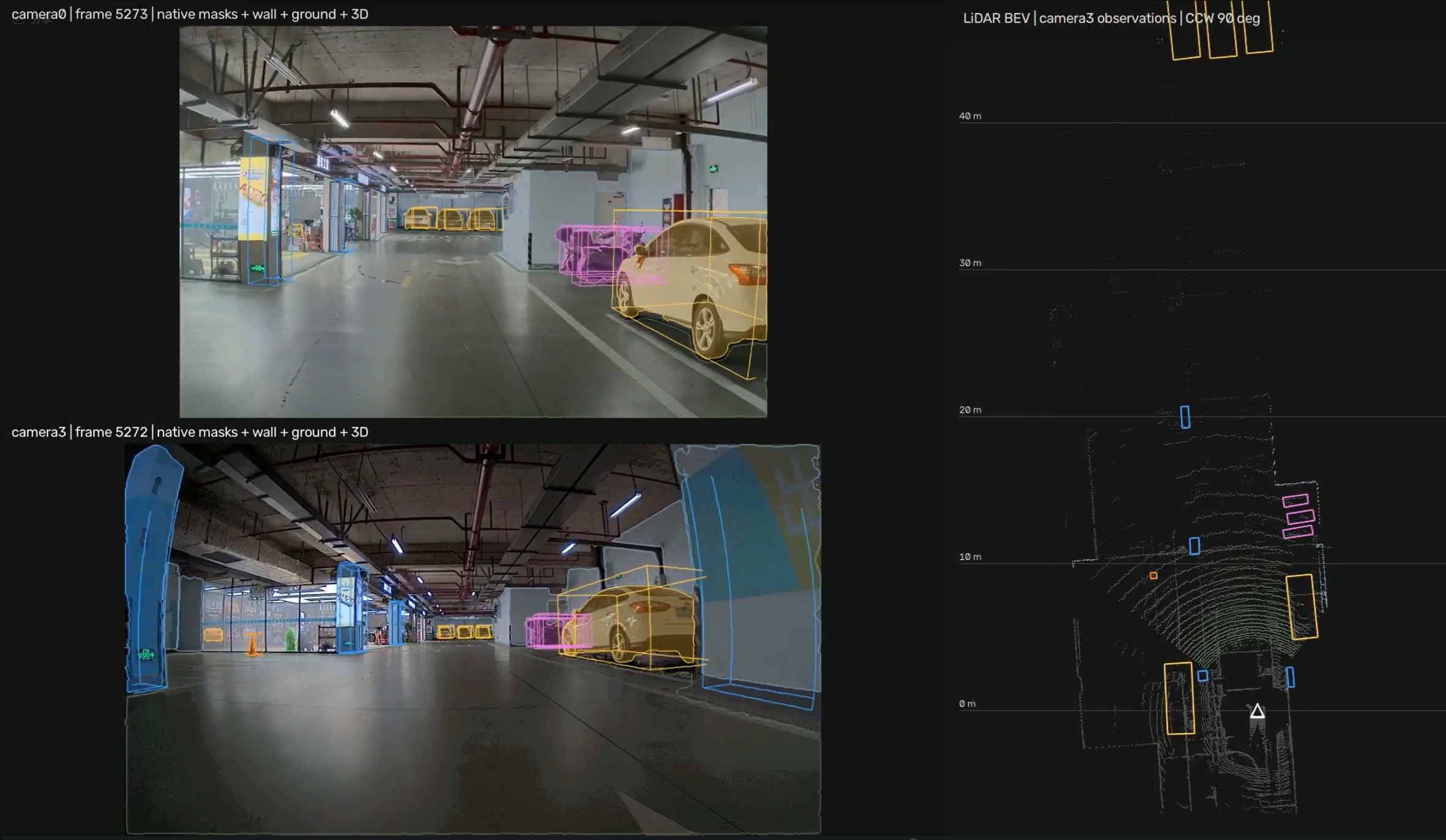
Data capture, cleaning and labeling are organized around representative scenarios and exceptions, creating a traceable data foundation for training, optimization and evaluation.
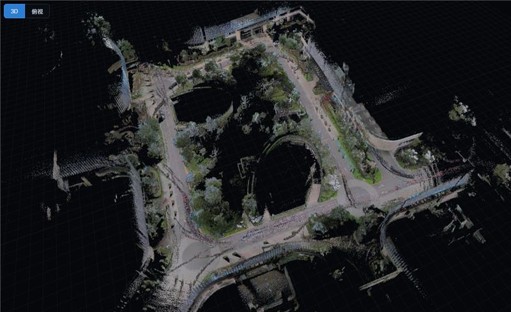
Point clouds, images and semantic maps captured by vehicles are used to automatically construct 3D simulation environments such as roads, terrain and buildings and generate test targets including vehicles and cyclists. Through geometric reconstruction, material and physical-property configuration, and simulation-interface adaptation, real operating environments become reusable test assets for scenario replay, traffic-flow simulation and algorithm regression.
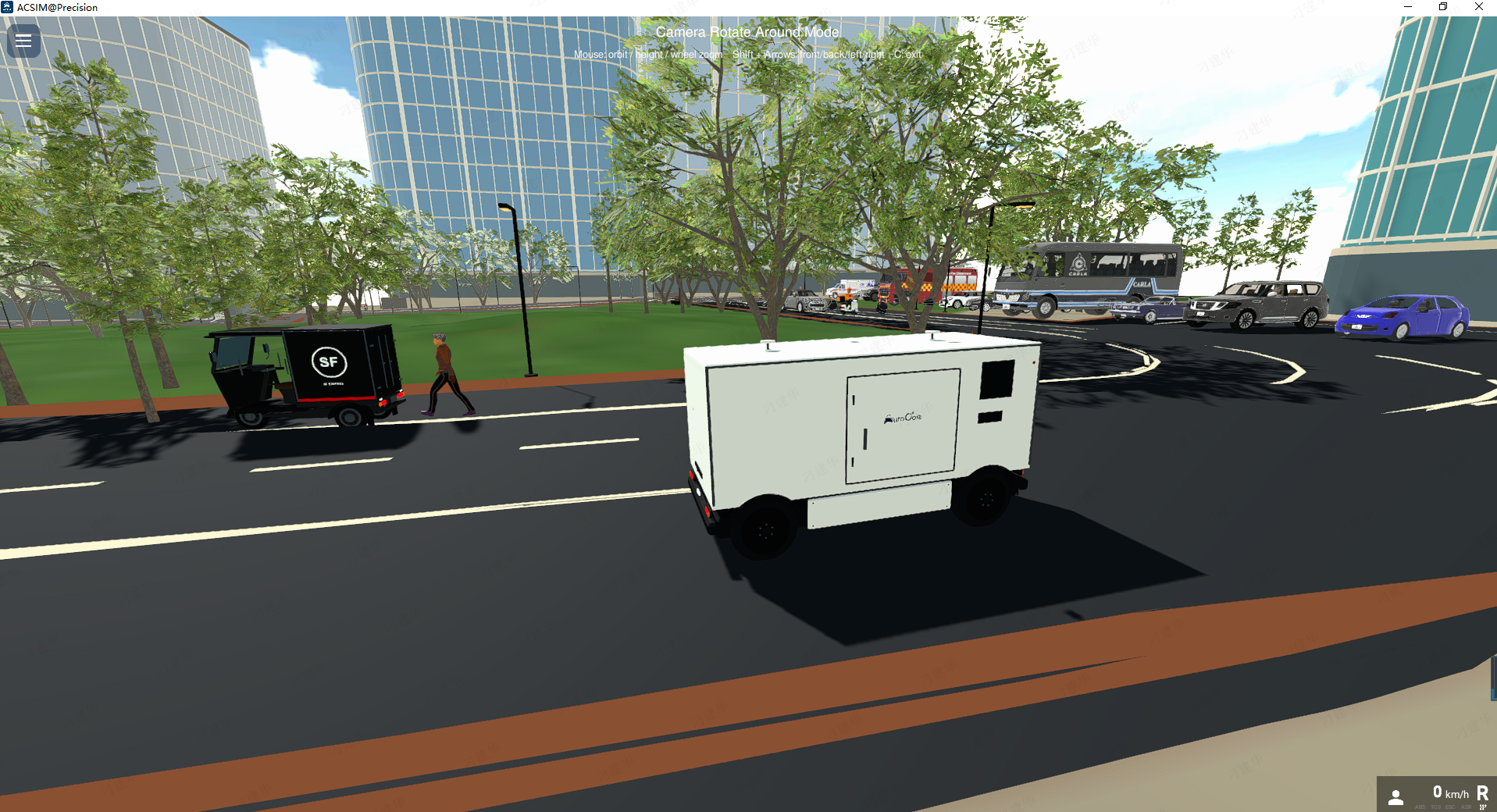
Log replay, simulation, HIL and vehicle-level regression are used to assess each version, with software updates released through the process agreed for the project.
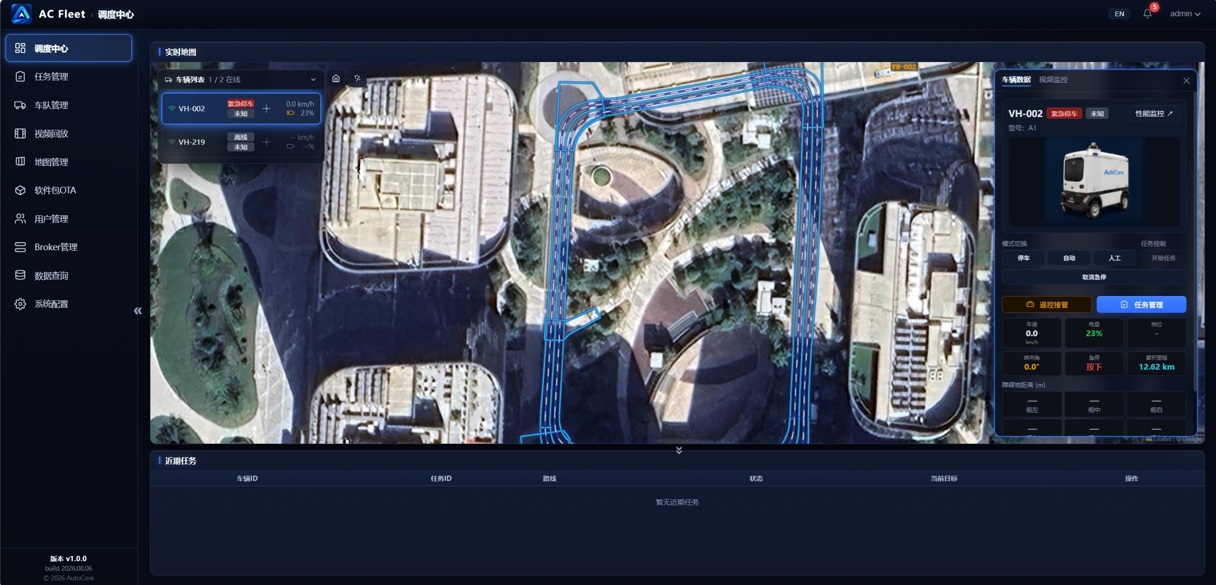
The diagram shows the data-loop workflow. Cloud functions, OTA scope and automation depth are configured by project phase.
Embedding safety requirements in design and validation
Safety requirements, system design, validation and operations management are linked around the target scenario. Functional safety, cybersecurity and data-governance requirements bring risk analysis, exception handling, access management and validation records into project delivery.
Define ODD elements such as road types, speed, weather, traffic participants and communication conditions, and agree exception responses and personnel responsibilities.
Analyze risks across perception, compute, communication and execution, and design health monitoring, fault isolation, degradation or safe-stop strategies according to the project.
Use simulation, HIL, fault injection and vehicle testing to validate critical scenarios, linking requirements, software versions and validation records for issue traceability.
Define access permissions, logging and data-processing rules by role and scenario, and confirm applicable requirements for the target region and deployment environment.
Company or software-platform certification is not equivalent to vehicle certification. Vehicles, operating scenarios and local market-entry requirements must be assessed separately for each project.
Clear inputs and outputs at every stage
Confirm the ODD, transport tasks, vehicle conditions, system interfaces and acceptance goals.
Adapt the compute platform, sensors, software and chassis, and establish the debugging and validation environment.
Use simulation, test benches and vehicle testing to locate issues, run regressions and converge on the delivery version.
Conduct trial operation, acceptance and operations handover according to project scope, and define ongoing support.